


AROUND THE BLOK. VOL. 14 - Malakai

For this segment of Around the Blok, we bring you Malakai. A fearless, passionate, and dedicated creative vested in visual storytelling that empowers those with a voice. We’re grateful to have her as our next feature. Enjoy!
Tell us about yourself?
I’m an award-winning director (Sundance/Horizon Award) who enjoys giving back to my community through the visual arts. I would call myself a disrupter. As well as this, I am a director, artist, philanthropist, activist. I develop and direct branded, digital content as well as narrative content as well. My goal is to empower, build and to fuck shit up in the best way.
I want to tell stories that are imaginative and powerful. Being a young black girl that was born and raised in Mesa, Arizona, I’ve always been a part of Arizona – but often, I was not surrounded by those who reflected me. I was able to take those myriads of experiences as I moved forward – and develop them into something bigger. For me, the opportunity to create, develop and build here as an artist has shaped my world view and who I am today.
I founded my production company, Malakai Creative for this very reason. The opportunity to curate and build worlds was what enabled me to find myself as a director. On the philanthropist side, I am also the founder of the 501c3, Made In Her Image. We give back by educating young girls of color within the film, media, and technology. Our recent partnerships include Paramount, Disney and, Universal.

Why do you do what you do?
Everything I develop is innate and passion driven. I’m here to really build a legacy and trajectory that will help others tell their stories. Filmmaking is the medium, but it is so much more than that. I love installative art, events, development and curriculum building as well. The more I progress, the more I feel at home. Building the world visually, and metaphorically is what I was meant to do. I want to give young women the opportunity to create what inspires them. I myself want that opportunity as well and will continue to do the same. I make movies.


What drives you to continue to create?
What drives me to create is my innate self and sense of power. I am here to create whatever I want, and to be brave in doing so. I love being able to prove people wrong. I love curating films and narratives that are full of power.


What benefit does art provide to society?
Without art, we wouldn’t exist. Art is the epicenter of self-expression. We kill for art. We die for art. We live for art. Everyone has something to say, whether it’s on a minimalistic scale- or smaller.
What is your biggest inspiration and why?
My biggest inspiration is my parents. I’ve watched them build and carry on a legacy. They’ve instilled in me what it means to operate and curate a legacy.
When you think of home, what comes to mind?
Arizona is my home. Here, I feel like the possibilities are endless. I’m here to build. I’m here to keep creating and making something happen. Although I’m bi-state now, Arizona has always been the space that has provided me opportunity.
Malakai’s latest project, Souls, will be featured at the Phoenix Art Museum in June. “SOULS is a visual exhibition, photographic art & and film installation that captures the totality of mortality, blackness and Afro-futurism.” Check out the teaser below!

AROUND THE BLOK. VOL. 13 - Jorge Ignacio Torres

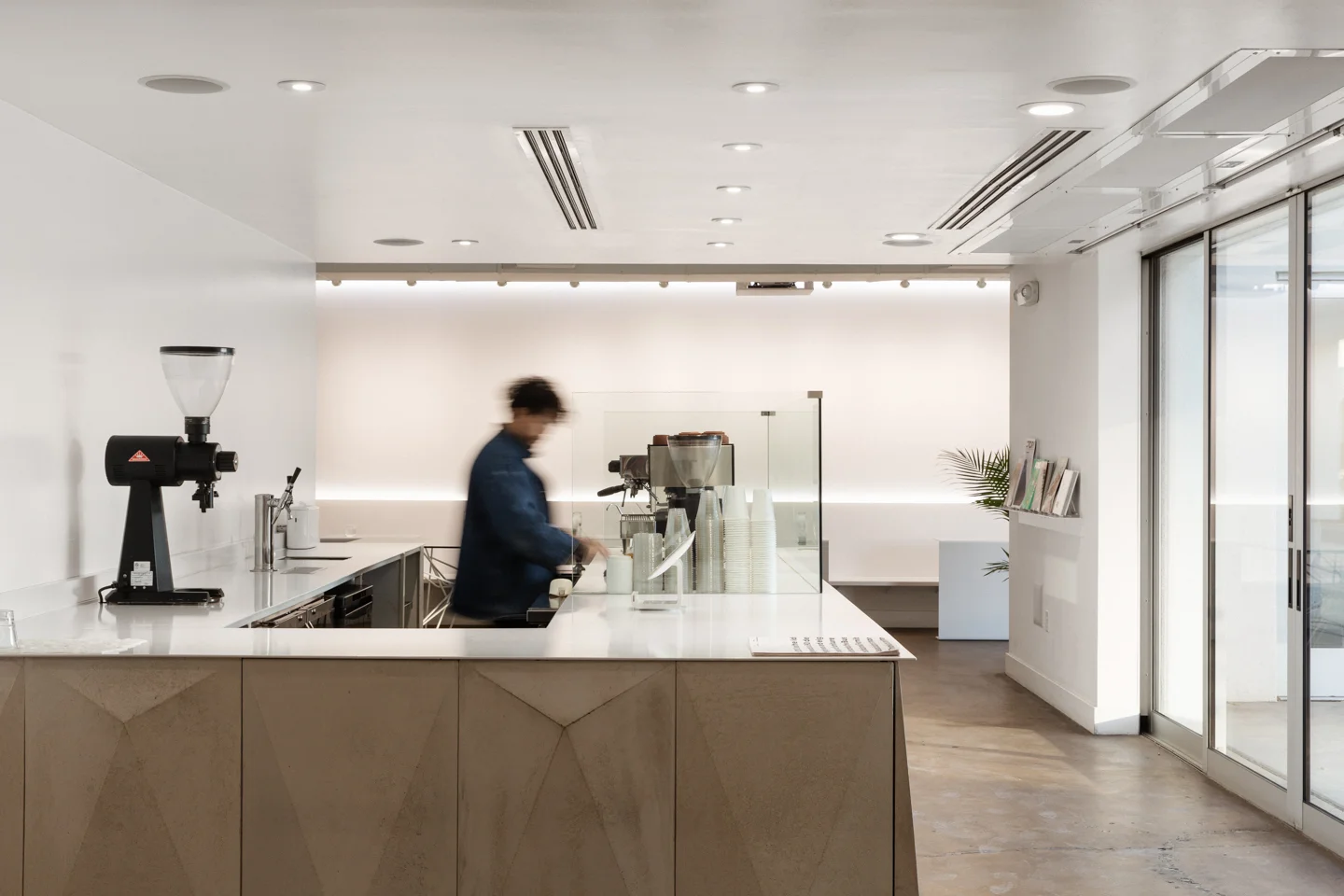
Walking into Palabra is like taking a deep breath, one you didn’t even realize you needed. The encompassing white, fresh coffee brewing, and the soft noise of shears trimming in the background instantly put you at ease.
Palabra is a multi-use space created by Jorge Ignacio Torres. It’s both reminiscent and aspirational, similar to Torres himself. While talking with him, he reflects on a time when people more easily connected with their surroundings, but doesn’t shun the benefits technology has given us. In Palabras, he manages to find the balance in embracing minimalism without it being sterile. Instead, it’s all beautiful angles and thoughtful lighting design. He’s mastered what the Danish call ‘Hygge’, the art of building your own sanctuary.
Tell us about yourself?
My name is Jorge Ignacio Torres. I am first generation of Mexican descent. I’m currently wearing my wife’s jacket.
Why do you do what you do?
To build something for my family. I now have a fifteen year old son, so seeing things from a different lens drives me. Youth inspires me the most. It took me so long to find my place, I mean seriously thirty years. So now, if I can build something where someone can come in here and be inspired, at any age, that’s an accomplishment.

Is that why you opened Palabra?
Honestly, I used to be one of those cats that talked shit about how much Phoenix lacked. I came to the realization that I couldn’t depend on others to inspire me, I needed to build something that energized me.
The way I explain it is that Palabra is the mom. The mom that’s built this unique space to house and cultivate these different entities, grow them and then have them branch out on their own. It’s what we want with our people and also our space. We have a salon, a coffee bar, a small kitchen, and an art gallery.


What benefit does art provide to society?
Art provides a sense of community. I can’t think of any other thing that can bring people together more than art does. This is why it’s a privilege to be an artist. It’s not to gain profit, it’s to tell the truth.

What’s your advice to others chasing their dreams?
You have to go out there and seek it. You have to take action. It’s a trial basis of trying different things. If you sit there and expect things to come to you and wait, it won’t. When I first started doing things in Arizona, it was art galleries. It took a while to build and have people gravitate towards what we were doing. You just have to keep going.
For me, there’s no ending. There’s no, “I accomplished my dream, I’m done now.” You don’t want there to be an ending to seeking your purpose. When I feel too comfortable, I know there’s something wrong. I have to keep pushing.
I tell my team that we are our own competition. We need to always outdo ourselves.

What is your biggest inspiration to keep pushing?
Youth. Having a teenage son has taken me on a path to expose him to different things. Not everything is as accessible as you think. Too often, you’re stuck on your phone looking at shit. To me, to build something that someone can walk into and be moved by, whether it’s something they hear, see, smell, taste, touch. That’s the experience that I’m looking to build.
When you think of home, what comes to mind?
Family, always family.


AROUND THE BLOK. VOL. 11 - Travis Fetting

Images by Thomas Ingersoll
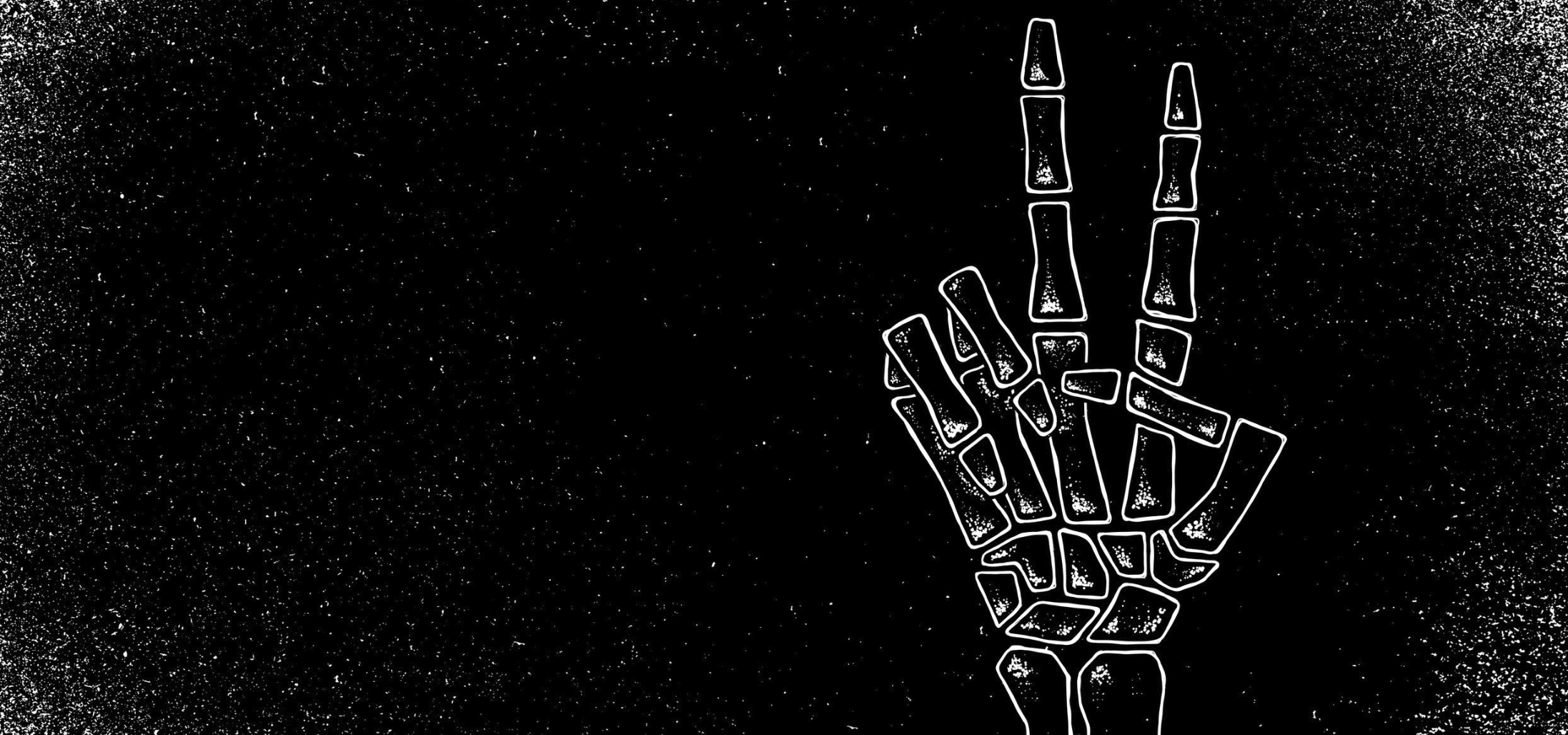
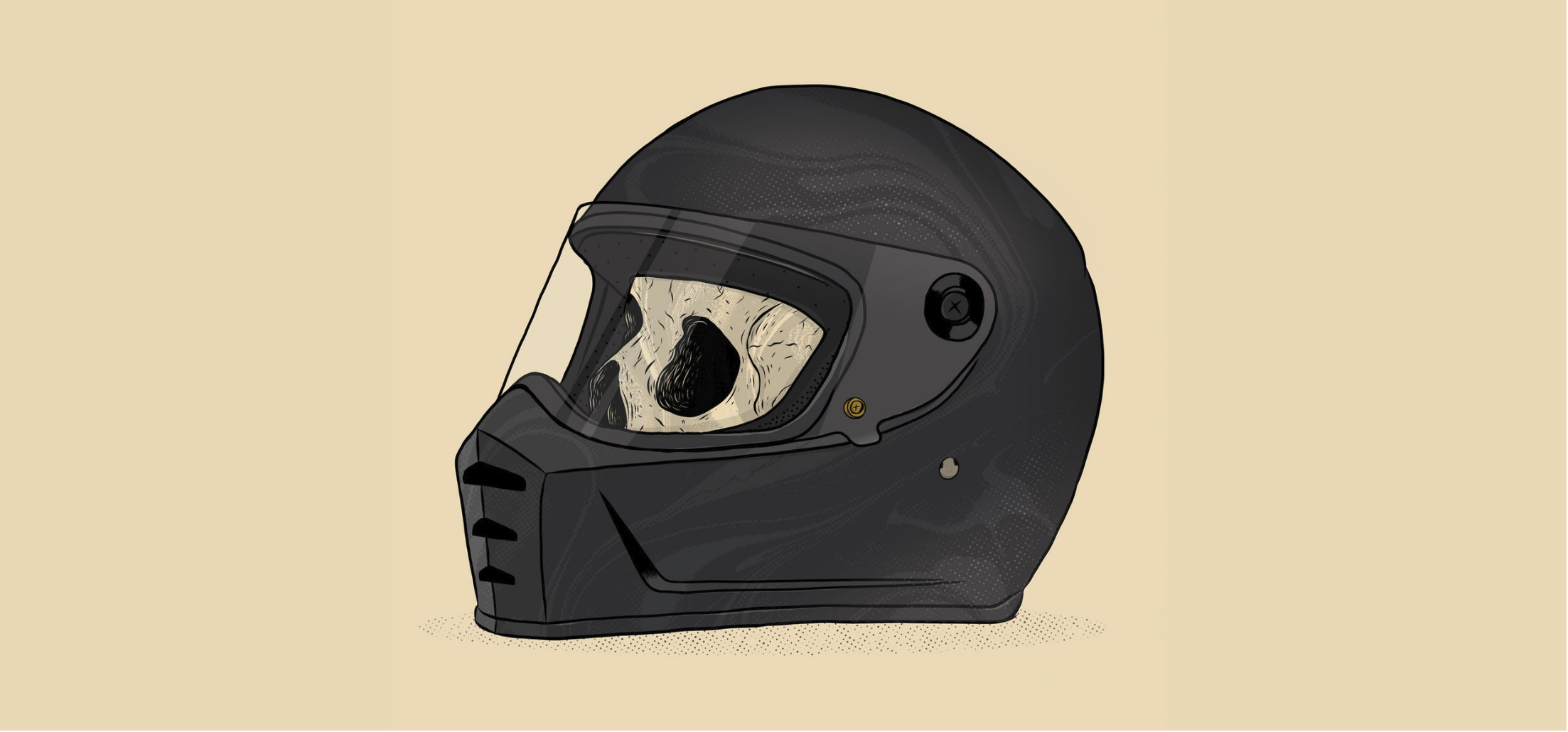
Travis is a graphic designer and illustrator living in downtown Phoenix. His passion for drawing, design and riding bikes led him down this path of the arts. He’s worked with clients such as Tapestry Comics, Dunlop Customs, Honest Brewing Co and Slabhaus. Thanks for taking some time to chat with us, Travis!
TELL US ABOUT YOURSELF?
I’m a designer and illustrator born and raised in Phoenix, Arizona. I’m a relatively reserved and shy dude, but I love creating and learning new things. As a kid, I loved drawing and was always out riding bikes with my friends. Not too much has changed over the years except I don’t ride my bike nearly as much as I should and I spend too much time on my computer. When I’m not behind a computer screen or on a bike, you can find me out with my friends or going to a show.

WHY DO YOU DO WHAT YOU DO?
When I was in High School, I worked with a guy who had a small t-shirt company, and he was going to school for graphic design. I had no idea that you could have a career as a graphic designer, but I knew I wanted to learn more about it. I've always been passionate about brands because of the experiences they created, but I didn't realize this was a part of graphic design. Fast forward to now, I want to create those experiences that people will remember because I know first hand how much a great brand or experience can impact someone. Outside of that, I have no idea what I would be doing without design.


WHAT BENEFIT DOES ART PROVIDE TO SOCIETY?
Art provides a space for people to be themselves. As cliche as it sounds, the world can be an ugly place, but I think art has the power to make it a much better place. I also believe art creates community by bringing like-minded people to not only create art but also for others to enjoy it.

WHAT’S YOUR ADVICE TO OTHERS CHASING THEIR DREAMS?
As someone who is still on that chase, I think it takes a lot of self-exploration and understanding what it is that you actually want. Results don't just happen overnight, and good things don't come to those who wait. You need to put yourself out there and get uncomfortable. I hate both of those things, but I’ve found most success I’ve had has started with at least two of those things.
WHAT IS YOUR BIGGEST INSPIRATION AND WHY?
My Dad was a huge inspiration for me growing up. He had a no-bullshit attitude, but if there was something I wanted to pursue, he was always right there to support me. Whether it was BMX racing or when I decided to pursue design as a career. My Dad is no longer with us, but he still plays a significant role in my drive to do better. I’m also inspired by other creatives who are continually pushing the boundaries.

WHEN YOU THINK OF HOME, WHAT COMES TO MIND?
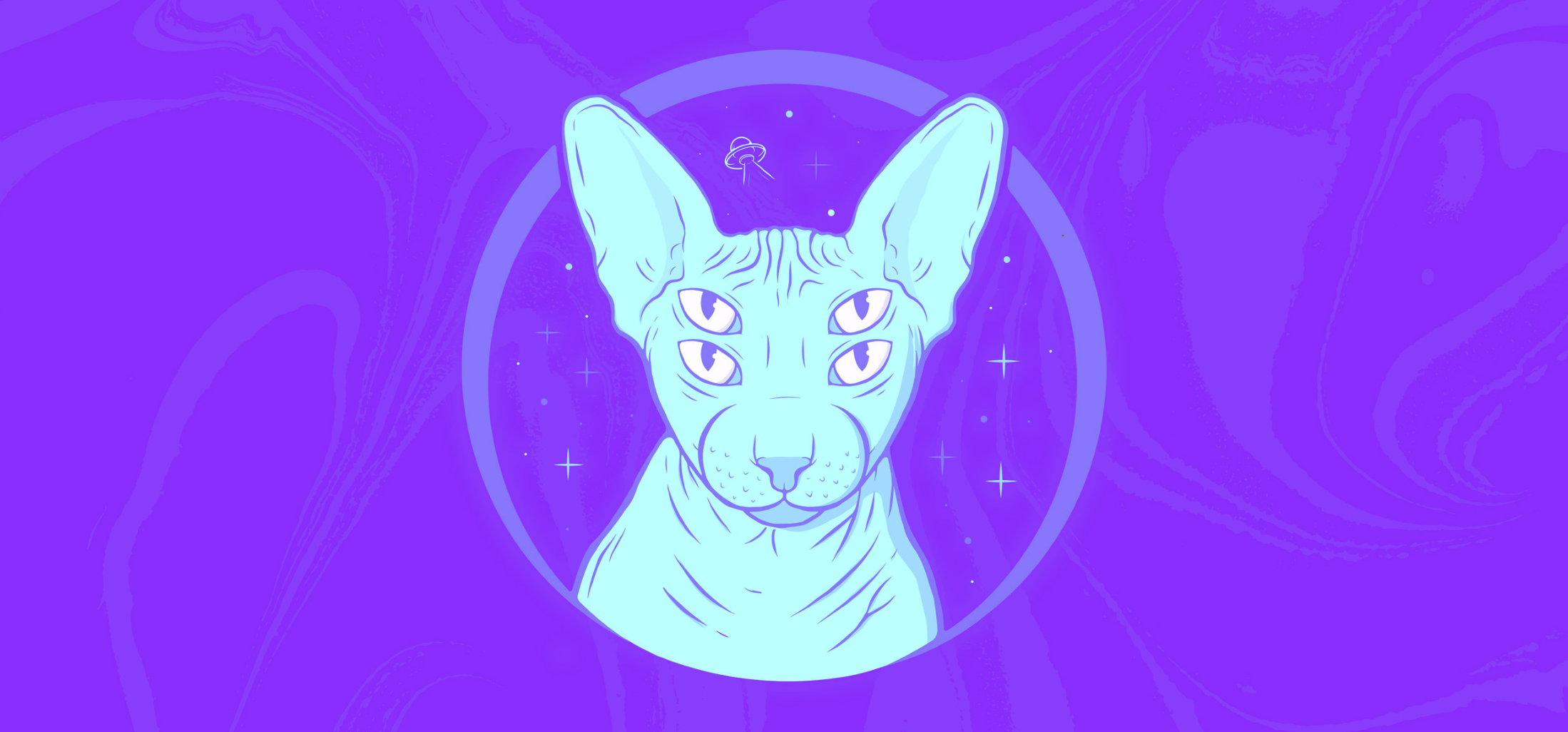
Arizona. I have a love/hate relationship with Arizona, but the desert has made me the person I am today. My family is here, my friends are here, and I know if I ever go anywhere else, it will be hard to beat. Besides that, home is a place for me to gather my thoughts and honestly, just relax. Life is a constant and we all need a place where we can unwind and be with who we love most. For me, that’s my girlfriend Bree and our weird range of pets from our hairless cat Lydia to our bearded dragon, Liu Kang.


AROUND THE BLOK. VOL. 10 - Brandon Sullivan
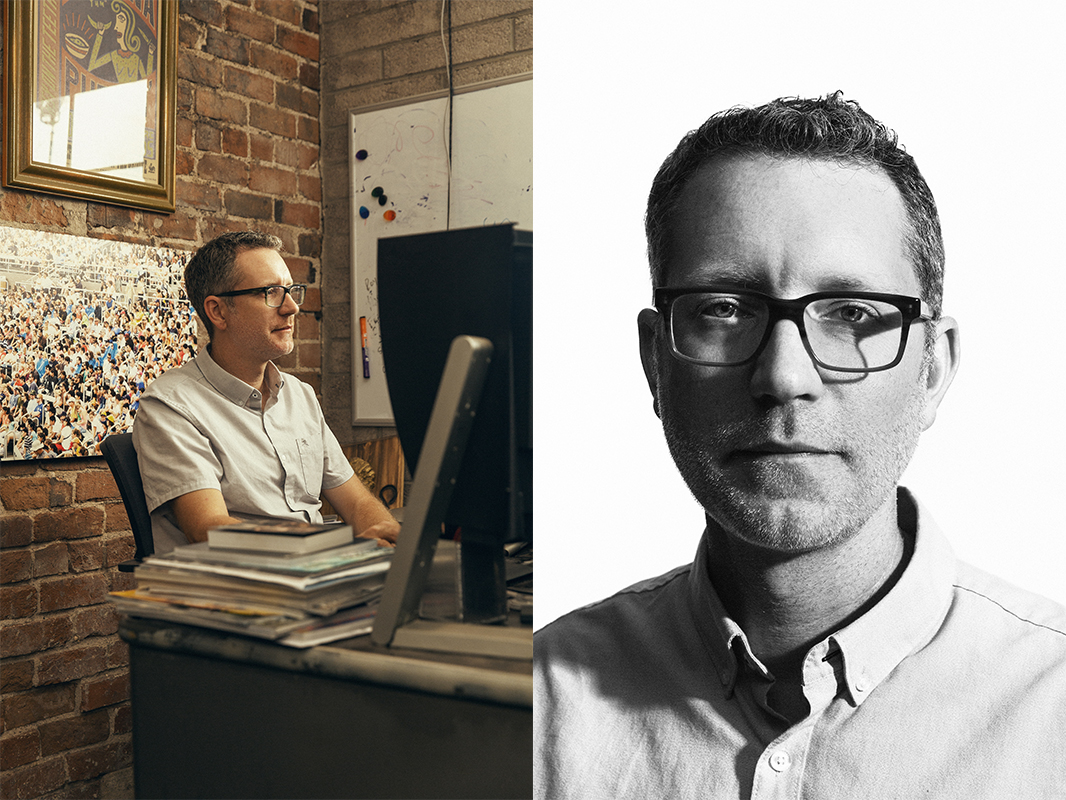
Brandon Sullivan is an advertising and editorial photographer that works out of and co-owns the iconic Legend City Studios in Downtown Phoenix. He's worked with major clients such as ESPN, WIRED, Grand Canyon University, Miller, PING and so many more. The photography industry is a competitive one; it's rare to find people so open and honest as Brandon. It's evident that he's found his purpose and his love for family, photography and community is inspiring. We're humbled to have him as our next artist.

Tell us about yourself?
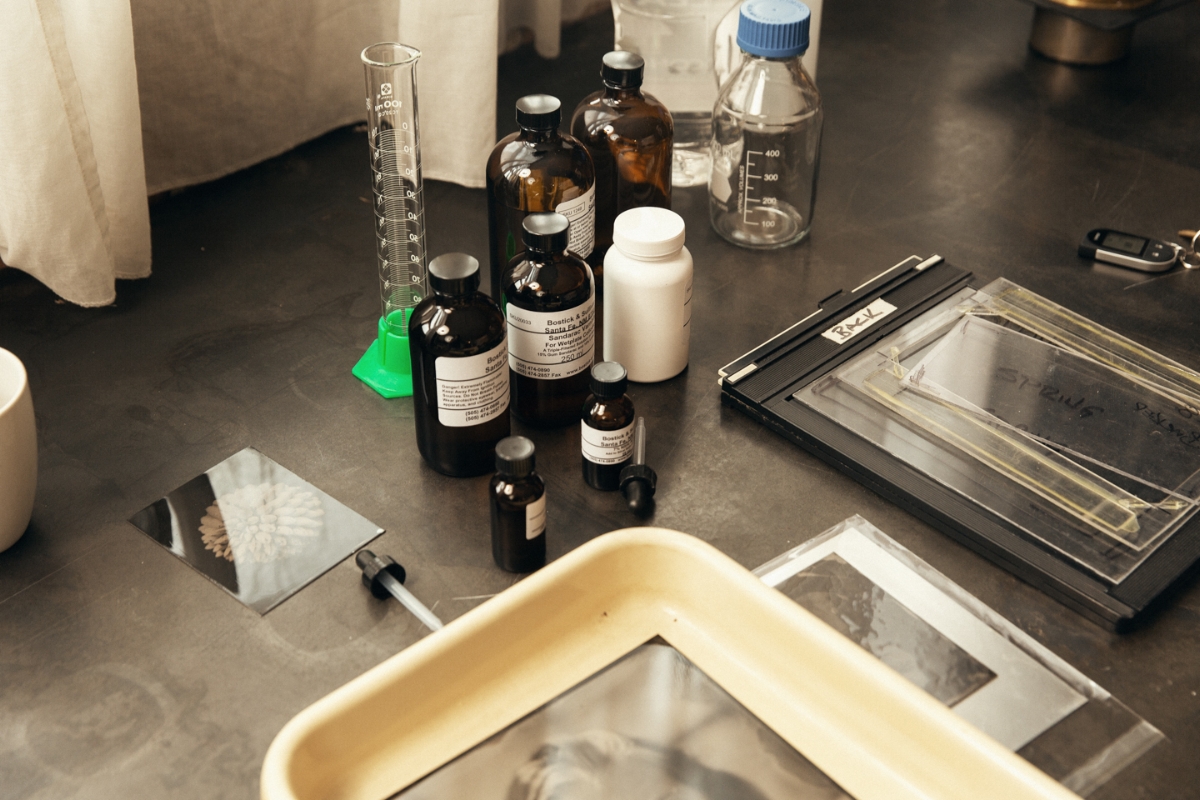
I’m a family man, entrepreneur, artist, teacher, Michigander turned Phoenix lover, working to be the best version of myself every day. I have a psychology degree but my life’s work is photography. It’s my hobby, career, and most things in-between to me. I struggle to call myself an artist, but at the end of the day it’s what I am most. Lately I’ve been enjoying getting my hands dirty through wet plate photography, which helps it feel like more of an art form than the digital revolution has left it feeling. It’s nice to slow down and make a couple images an hour with some mildly unpredictable results.


Why do you do what you do?
What else would I do? I’d be lost without photography. It’s my life’s anchor. I love the craft and the people it brings into my life. From crew mates and inspiring subjects, to mentees looking for advice, I’m grateful for every relationship. Most of the closest people in my life are there because we’ve been brought together to create photographs. It’s a bit scary how closely my identity is tied to my work, as it can be extremely unhealthy at times. Validation is one of the strongest motivators of human behavior and, for better or worse, I am no exception.

What benefit does art provide to society?
I think it’s different for everyone and how far they are willing to go with the process or interaction with it. For some, it’s simply eye candy and for others it can create critical discourse challenging beliefs and ideals. Regardless of where people fall on that scale, I believe it has a positive impact on all of society.


What’s your advice to others chasing their dreams?
Action is the source of success. Great ideas and an unlimited knowledge base are nothing without action. Fear is an exciting indicator to know where you should take action. If something in your life plan scares the crap out of you, get at that thing first! Also surround yourself with people that, no shit-no kidding, hold you 100% accountable to pursuing your dreams. I am beyond fortunate to have a lot of people in my life that ride my ass to go for what I say I want to create, and know when I’m bullshitting them with excuses as to why it’s not happening. Surround yourself with those folks, accept feedback, and you’ll do well.
What is your biggest inspiration and why?
These days, my children are my biggest source of inspiration. Their undying persistence and the way they tackle things that they have no idea how to accomplish, often gives me pause. If I could go for what I want in my life the way my 6 year old goes for a toy she wants, I’d have the exact life that I dream of. I guess what it really boils down to is I’m most inspired when I experience people obsessively dedicated to their mission, whether an artist, successful entrepreneur, athlete, or my kids. I love experiencing people that have a clear vision and fully go for it with 100% commitment.

When you think of home, what comes to mind?
Without a doubt, being with my wife and three children in the safe space we’ve created to exit the madness of the outside world whenever we need. Home really is wherever they are. The open and honest dialogue, free of judgement, that I’m able to have with my wife, Sarah, and knowing she has my back 1000%, and that I can trust her to hold me up and believe in me, even when I don’t believe in myself, is more than I ever dreamed possible in a relationship. A close second is my tribe that I’ve found in Phoenix, fellow creatives, entrepreneurial mentors, and my personal development family. What I’ve found in Phoenix is an open community full of folks that want to see others succeed. I believe we find (create) whatever we're looking for. I choose to create love and abundance.

Hard vs Soft Light: A Beginners Guide.

Choosing a light modifier can be a daunting task when you're faced with so many options. Beauty dish, ring flash, umbrella, softbox, grids, scrims, flags; things can get overwhelming fast. The type of modifier you should use will depend on the results you're looking to achieve in a shoot, as each light modifier produces either soft light or hard light. In this article, we'll review the difference between hard and soft light as well as a few basic things to consider when determining which light is right for your project.
Hard Light vs Soft Light
All modifiers can be placed into hard or soft light categories. The size of the light source relative to your subject will also determine which effect is achieved.
Soft light tends to come from a large source in which the light "wraps" around the subject. The shadows are diffused with very soft edges, perfect if you're looking to minimize or soften the shadows in your image. Soft light is also great as a fill light source as it can reduce existing shadows without creating additional ones. It produces less contrast and works for reducing the appearance of wrinkles and making the skin look more youthful. Softboxes, octaboxes, umbrella softboxes and shoot through umbrellas are all considered soft light modifiers.
Hard light comes from a small source and is more focused and controlled. The shadows are more dramatic, have harder edges and produce more contrast. Hard light is useful for creating edgy looks or adding more drama to a shot. Some outdoor situations may require hard light when attempting to overpower the sun or balance ambient and natural light. It's often used in sports, action, and fitness photography as well as some product photography. Beauty dish, narrow/wide reflectors, ring light or magnum reflectors are all considered hard light modifiers.
Things To Consider When Choosing a Modifier
What's the creative direction or desired mood of the shoot?
You won't know how to build your light if you don't have a good understanding of the shoot concept. Are you creating images with a happy, bright, airy mood? Or something more punchy and dramatic? The lighting style for a carefree lifestyle shoot would look very different from an aggressive fitness shoot.
What kind of light do you want to replicate?
Do you want to mimic 2 pm sun or a cloudy day? Matching the quality of natural light is a good rule of thumb if your mixing ambient light with strobes. For example, hard light conditions like the full sun can pair well with a hard light modifier such as a beauty dish or a softbox would look better on overcast days and early morning light.
What are the physical characteristics of your subject?
If photographing a person, what's the condition of the skin? Softlight tends to be more forgiving on a more textured skin or someone with more wrinkles. If shooting a product or object what are the characteristics of the surface? Is it highly reflective or has a matte finish? Hard lighting can make a matte surfaced product pop more.
These aren't hard, fast rules but good fundamental concepts to begin with. Our upcoming lighting 101 class covers this topic in depth. To learn more about what the course offers, click the button below.

Your brand identity is holding you back.
Hi, Thomas Ingersoll here. I'm a commercial and advertising photographer in Phoenix, Arizona. I am taking over Blok's blog this week and want to share something that has changed how I get clients, and how clients perceive me.
This week I want to talk about the importance of being a brand and having a strong identity. Now, this may seem like a no-brainer, but it is commonly overlooked in our industry. In today's climate, it is not enough to be a good photographer. The days of just having a strong portfolio are dead. A photographer must be a brand, an experience if you will. Our market praises brands that create an experience, consistent in their identity, and easily assessable on all platforms. This will garner trust and reliability with your audience; they know what they will get when they come to you. It also conveys that you are willing to put the time in to represent yourself and what you want to share with the world. So where do you start? I will break down the crucial aspects of developing a robust unified identity.
- Start with your work. Align your work with your brand's identity, make sure they compliment each other. If you are a lifestyle photographer, things like your design, font, color, logo, and voice should convey that message. This will help establish your persona before your audience even begins to browse your work.
- Establish what market you are after. Are you pursuing retail, commercial, editorial, etc.? You will want to articulate on your platforms who you are and the type of work you do. I market myself as an advertising and commercial photographer. I make sure on all platforms that I state that. I also make sure my SEO practices relate to those terms.
- Show people who you are. You're a photographer; you should have a beautiful photo of yourself. Keep a consistent biopic across all your platforms.
- Logo. This is usually people's first impression of the type of work you do. Spend some time and make sure your logo represents yourself well.
- Develop a brand color. This will help support your logo and design. People will start to associate your brand with a color, look at companies like H&R Block, McDonald's, Coca-Cola, and Air BnB.
After establishing your brand identity, apply this across your platforms.
Website
First is your website. This is the staple of your identity. This is where you want to drive traffic to. All marketing attempts should funnel people to your site. Your website should be an experience for your audience, and make it a pleasant and memorable one. Your identity should sing through your site, and make it easy to navigate damnit.

Social Media
Use this free form of marketing to establish your voice, identity and accessibility. Have a unified bio pic. Market yourself to a specific audience. Drive people to your website.
Consider what you post, make sure it relates to what you're photography.
Instagram is great for a personality. Share your BTS, technical info, and your portfolio. Don't be afraid to some personal experiences here.

This is a great space to share links and stories. Be involved in communities. Keep personal stuff to a personal account.

Great to find a network of professionals. Share your stories.

Use this platform to share BTS and links. Almost a mix of Instagram and Facebook.

Business cards and mailers
Don't ignore the world that exists outside of the internet. Print is still a very crucial aspect of marketing and identity. I love using leave behinds and business cards for more professional settings. Make sure that the design of your cards, print portfolio, and leave behinds are all an extension of your brand.


Conclusion
Throughout my presence I remain consistent. My branded color is a deep red white. My style is minimal with a slight modern touch. All my platforms look the same so my audience knows its me. I state that I'm an advertising/commercial photographer. Implementing a strong brand into my business structure has helped elevate the type of clients I get.
Take a look and ask yourself if you are a strong brand.
Resources
Website - Squarespace
Business Cards and Mailers - Moo
Also be sure to check out Agency Access. They have tons of insightful info on their blog, as well as a team of professionals that can help develop your brand.

AROUND THE BLOK. VOL. 9 - Christoph Kaiser
Christoph is the founder of Kaiserworks, a Phoenix-based architecture and design studio. As the city continues its rapid paced growth, it's exciting to see his studio help shape the look of our town and surrounding area with projects such as Undefeated, Tempe Public Market Cafe, Welcome Diner, and Changing Hands Bookstore. It's even more inspiring to see the work he's doing revitalizing historic homes in our Garfield neighborhood, one of the oldest districts in Phoenix. We had a wonderful time with Christoph for this segment of Around the Blok and thrilled to have him as our next artist!

Tell us about yourself?
I am a Phoenix native with a passion for design, architecture, and place-making. I grew up spending my summers in southern Germany. The experience of growing up in two very different worlds made me recognize at an early age how radically our built and unbuilt environment can impact us. I’m an introvert and optimist by nature, and a believer in the redemption story. Whether in people, communities or buildings, I see potential in even the worst of conditions, which has historically drawn me to tackle some pretty fearsome remodels.


Why do you do what you do?
Creating evocative spaces that feed the soul, inspire wonder and foster community is something that I strive for in the work I do. I think being exposed to some fairly bleak and repetitive stretches of suburbia in my early years grew in me a desire to create memorable, powerful counterpoints to that. I’m also a bit of futurist. I am excited by contemplating what is to come, or what could be. What will society look like in a generation or two, or three? What will architecture look like? What will art look like? Envisioning a response to our ever-changing environmental, cultural and technological landscape, and casting a line in that direction is what drives me to create.


What benefit does art provide to society?
A society of robots would yield things like unrivaled efficiency, perfect timing, pure utility - and it would have no soul. Art is a expression of our humanity that evokes emotion at a fundamental level, and carries with it the potential to lift our human experience out of its pragmatic pursuits and into a place that requires courage, and challenges the status quo. A society without art would be a dreary and frightful place - the perfect place to put a piece of art.

What’s your advice to others chasing their dreams?
Chasing your dream, if you have one, requires focus and determination. These are not the sexiest aspects to talk about, but a dream will remain a dream unless you pursue it vigorously, and make the time to make it happen. The obligations of normal life present themselves automatically, and without apology. The quality of your dream will not get you there, neither will your genius. Focus and determination in pursuing the thing are key.


What is your biggest inspiration and why?
I know this sounds cliche, but the beauty and order that we see in nature is my biggest inspiration. If all of human existence occured within a cardboard box, I would have very little material to draw from as a creative. In my cardboard-box world, if that was all I knew, I think it would be hard to argue that I would ever design anything that wasn’t… cardboard. But instead, we live on a flourishing watery garden-globe floating inside of an oxygen rich bubble filled with quartz and gold, jellyfish and changing seasons, dogs chasing cats, shooting stars, moon phases, rainbows, freckles, icebergs, possums, lightening and peacocks. Even if that was a finite list - that’s a lot of material to draw from. I also don’t believe that any of this is an accident. This existence feels designed, and for me, unpacking and learning from moments within the design we see all around us is incredibly rich and inspiring.

When you think of home, what comes to mind?
Home is where the heart is. How’s that for another cliche response? But I mean it. Philosophers and thinkers have tackled this question throughout time. Karl Marx connected the idea of home to plants if you can believe it. To have personal history with a piece of earth recorded in the growth of a tree was important for his conception of home. I can relate to this actually, but would add that home is where you feel most secure. It has nothing to do with the shape or size of the structure. For me, the things that fill my house, the artifacts, the memories, the wool blanket that my Omi gave me when I was eight years old while standing on a bridge in Bavaria - those things are as important as the house itself. My home today is a wonderful red brick grand pyramid cottage built in 1907, and I love it.


Around the Blok. Vol. 7 - Michael Lanier
Michael Lanier is the founder of Pueblo, an indoor plant shop in the historic Garfield neighborhood in downtown Phoenix. Along with his partner and co-owner, Coby Bruckner, Michael has created a vibrant oasis in our desert city. The space they have curated at Pueblo is one of life and acceptance and hope. The fostering of life with pruning, watering, moving and observing. Acceptance that a deep breath and a quiet moment amongst plants is exactly what your soul needs. And ultimately, hope that things will not only survive, but thrive. Michael brings this positivity to his neighborhood and beyond, and we are so honored to chat with Michael for Around The Blok.

TELL US ABOUT YOURSELF?
My name is Michael, I’m an Arizona Native and a placemaker. I’m an outgoing introvert and believer in this city and her future, a purveyor of plants and a naturalist at heart. I look at the world with an optimistic realism and will do my best to make my time on earth as productive and joyous as possible, planting trees and providing (literal) shade as I do it.


As you walk into Pueblo, you’re greeted by their often sleepy, good vibes mascot, a boxer named Bennie. She even comes with her own accolades, being named “best boutique pet” by Phoenix Magazine.
WHY DO YOU DO WHAT YOU DO?
I do what I do because I firmly believe in a positive impact. Humans have an incredible knack for destroying the past, and I want to do my absolute best to ensure that whenever I am done, I left a positive impact on as many people as I could in the ways that I can–and for me that means enabling people to fill their lives with just enough knowledge that they feel a little better off and more connected to the living things that can’t talk back.


WHAT BENEFIT DOES ART PROVIDE TO SOCIETY?
Art is so hard to define. Art is music, and movement. It’s color and shape and form and anything that inspires even a slight chill down your spine, or a tingle in your back. Art moves you, and inspires you to want to do that for others. Art helps you notice a detail that’s always been in plain sight. Art is human, and today it seems more important than ever to just feel human.


WHAT'S YOUR ADVICE TO OTHERS CHASING THEIR DREAM?
It’s so easy to convince yourself that a dream is something you’ll do when you have time, but waiting until you feel ready tends to put a dream off for life. Make sure there is passion in it, and make sure that you can sustain yourself while you chase it. There have been so many times that I get lost in the details of what I do that I forget that the bigger picture is just to enjoy what I do. Don’t get lost in the small, overwhelming obstacles.


WHAT'S YOUR BIGGEST INSPIRATION AND WHY?
My biggest inspiration would have to be other artists, entrepreneurs and creatives. Friends, local and far. People who are doing their best to make a go of their own desires and dreams.

WHEN YOU THINK OF HOME, WHAT COMES TO MIND?
Home is Here. I’ve always assumed home was just where I was at the time, but I always end up coming home to Phoenix. It’s always a little dusty, always a little polluted, always a little washed out but no matter what it is, it’s always home, and I always want to improve it and watch it grow and mature in any way it can.


Lens Filter Benefits

Lens filters still serve many different purposes in this digital age and are widely used in photography. They can offer protection, reduce reflection, alter light and enhance colors. In this article, we'll talk about the filters we tend to use the most.
What Are Lens Filters
Lens filters are transparent or translucent glass, plastic, resin, polyester and polycarbonate material that attaches to the front of a lens. They come in circular, square and rectangular types. Circular (screw-in) filters connect directly to the front of the lens, square and rectangular (drop-in) filters utilize an adapter that attaches to the lens.
Lens Filter Types
- UV/Clear/Haze Filter
In the past, these filters were used to block UV light from hitting the film or camera sensor. But, with the advancement of digital photography, all DSLR cameras presently have built-in UV filters. Now, the primary purpose of the UV filter is to protect the front element of a lens from dust and scratches. Be sure to purchase a good quality UV Filter as lower quality versions could reduce image quality, increase reflections and flares in your images.
- Circular Polarizing (CPL) Filter
The primary purposes of the CPL filter are to reduce reflections, enhance colors, increase contrast and reduce haze. This filter is especially good if you want to darken the sky or lessen the intensity of reflective surfaces like water or windows. The effect and intensity of this filter changes dependent upon one's angle to the sun. Also, there is usually a loss of 1-2 stops of light when using this filter so be mindful of your camera settings when using this.
Neutral Density (ND) Filter
ND filters reduce the amount of light entering the camera lens thus allowing you to decrease shutter speed and increase exposure time. These filters are useful when you want to shoot with a wider aperture on a bright day or shoot with a slower shutter speed with moving water to create that "foggy" effect. They also allow you to shoot with wider apertures in studio photography. ND filters also come in hard
These three options are popular amongst our photography community but they are not the only options available. Other filter types include Hard-Edge Graduated Neutral Density (GND) Filter, Soft-Edge Graduated Neutral Density (GND) Filter, Reverse Graduated Neutral Density (GND) Filter, Color/Warming/Cooling Filter, and Special Effects Filter. These all have their intended purposes and we encourage you to research them. Happy shooting!

AROUND THE BLOK. VOL. 6 - HILARY KATHLEEN
Hilary Kathleen is a freelance analog 35mm film photographer currently based in the southwest where she resides with her six year old son. Themes found in her work includes connection with mother, feminine empowerment, youth empowerment, anthropogenic impact on the environment and exploration of emotion through variance in light and process of creative self-expression. Today, we are extremely excited to sit down with Hilary for Around The Blok!
TELL US ABOUT YOURSELF?
I consider myself to be more of an artist as my main objective is to create and express but my primary form of expression is through 35mm film photos, mostly of my son, my friends and inspiring people and places I am lucky enough to have a loving moment with. I am profoundly a now person, nature is my sanctuary, I value relationships and genuine connection, I feel weighed down by material things, I dance/sing/write/soak on the daily, I am highly sensitive and emotional, I wake and meditate, tacos are my favorite food, pink and blue are my favorite color, I love my mama, I am social yet deeply introverted, I am excited to try new things and ok with being not so great at them, I am happiest road tripping without expectations or a set plan, my favorite thing in the world is cuddling with my son and watching him sleep, I get my jollies discussing topics of existential nature and I have a tattoo of a french bulldog on a surfboard riding a wave.

WHY DO YOU DO WHAT YOU DO?
I take photos because I absolutely love it with my whole heart beyond what words can accurately describe and because it helps me feel a sense of purpose. Photo has helped me through the darkest of times as a healthy creative outlet and as a channel to process my emotions. It has given me a level of meaning and connection in life that goes beyond what I am capable of on my own. I started to really get into photo at a time in my life when I had slowly been depreciating in self-worth after years and years of trying to be something I wasn’t. I had been married for a while and was trying to be what my husband thought I should be and was severely depressed, completely numb, lifeless and a bit hopeless. I had had an interest in taking photos since high school and took a few classes in college but what I learned only frustrated me and didn’t seem useful for where I was at. Around that same time, a very critical and angry person in my life told me I would never be a photographer because I wasn’t brave enough, which crushed me and completely demolished any sense of confidence I had as a mere nineteen year old. It wasn’t until I was twenty-seven and my son was almost a year old that I mustered up the courage to give photography another shot. I realized I was losing out on an opportunity to document his childhood and to preserve memories if I didn’t get over my fears and insecurities, buck up and try again. Since the moment he was born I have looked at my son in awe of how incredibly beautiful and special he is above and beyond my capacity to imagine what he would be so taking photos of him is an experience of comfort and pure euphoric delight. Because we share a love that is so pure, the love of a child and for a child, It brings out the best in both of us and is a standard that I have learned so much about cultivating for myself and in my close relationships. Over the years I’ve used this standard as a goal with everything I photograph, and a direction for what I chose to photograph, and although it is infinite work it still feels better to get closer to that goal bit by bit. As a result of this work I have been lifted out of the fog of depression and now live with a more pure, euphoric delight for life and have done what I love most with who I love most to thank for it.

WHAT BENEFIT DOES ART PROVIDE TO SOCIETY?
I believe art to be the healthiest form of release and emotional processing as I have experienced it as such and have benefited greatly from art that has been shared by others as a source of encouragement, connection and inspiration. If I have personally experienced these positive aspects of art than I’m sure society is benefiting in this way as a whole as well. Before I practiced art as much as I do now I also experienced and can attest to the negative effects of pent up emotion that after long periods of suppressing would erupt in violent and chaotic frustration and anger after being triggered by the smallest thing. These eruptions would scare me as I felt I had no control at once I got into a tantrum and I didn’t know what I was capable of. I once smashed a swiffer to pieces yelling and screaming out of rage, pieces of plastic flying through the air like shrapnel, my then husband and son watched in disbelief and fear from the other room. I knew was out of hand at that point and that I needed to do something about this problem that was so obviously unhealthy and affecting those around me. When we practice art we provide a channel for these emotions to flow so they aren’t pent up. What we create with the flow of these emotions can guide our decisions and help us work on ourselves if we so choose. When art is shared I think it helps others relate to these emotions and process visually as well so even if you’re not an artist you can benefit. Obviously stated I think society functions better if it’s contributors aren’t throwing unpredictable fits of violent rage and feel connected to each other through compassion of understanding what it is to feel human.

WHAT’S YOUR ADVICE TO OTHERS CHASING THEIR DREAMS?
My advice to others chasing their dreams would be to listen to yourself. I have a hard time with the concept of advice because I truly believe that inspiration and guidance are meant to be found in whatever form is perfect for the person seeking, and that is for them to determine for themselves. There are infinite ways to get to where you want to go and based off of our genetic makeup, out history, our skills, our weaknesses, components that no one else will truly understand ever, it seems insane to expect everyone to get there the same way. Only you can know which way you need to go for yourself and only you will be held accountable for your choices at the end of the day. No one else cares about you getting there the way that you do, which gives you the freedom to do what you need to do. What I learned from the experience of being depressed for so long was that my depression was a direct result of my resistance to being who I really am, my resistance to make choices for myself and to grow from those experiences.

WHAT IS YOUR BIGGEST INSPIRATION AND WHY?
My biggest inspiration I’m stuck on, ack, there are so many things that inspire me and are ever changing but I suppose I could pinpoint healing is the total summation. I am inspired by what interests me and fascinates me, gets me out of my comfort zone, and the process of healing from trauma and unhealthy habits really gets me excited. Connection with nature, connection with each other, unconditional love, empowerment and creativity are contributing components to my work right now that flow positively.

WHEN YOU THINK OF HOME, WHAT COMES TO MIND?
When I think of home I think of the freedom to be myself exactly as I am. Comfort in a feeling of unconditional love and acceptance.

You can follow Hilary Kathleen on INSTAGRAM.